I recently went back to Japan to see my family and friends.
While I was there, I heard very different opinions about the growing number of visitors to Japan.
Some people are delighted that so many people around the world are interested in the country.
Others feel less comfortable about some of the ways Japan is being experienced.
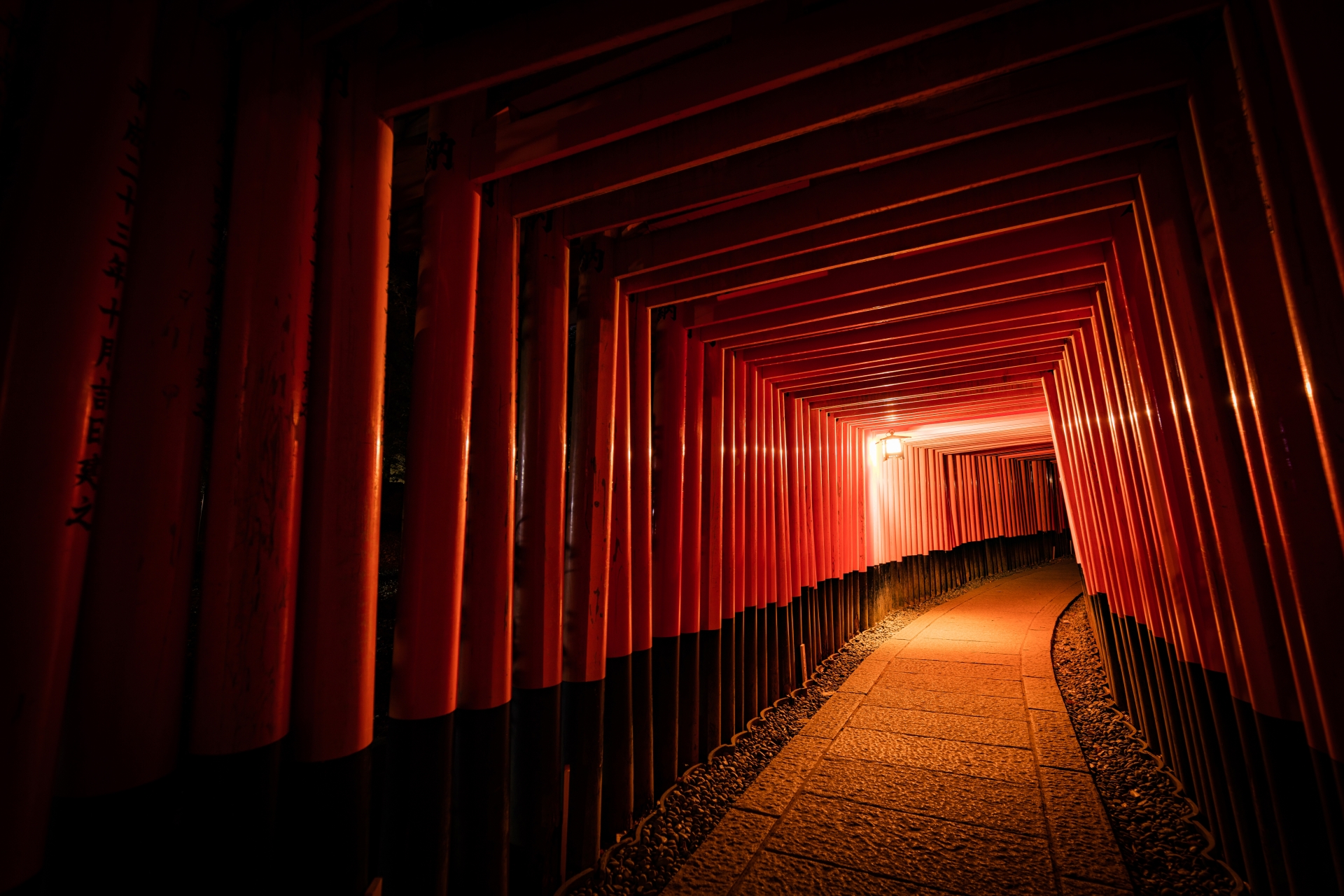
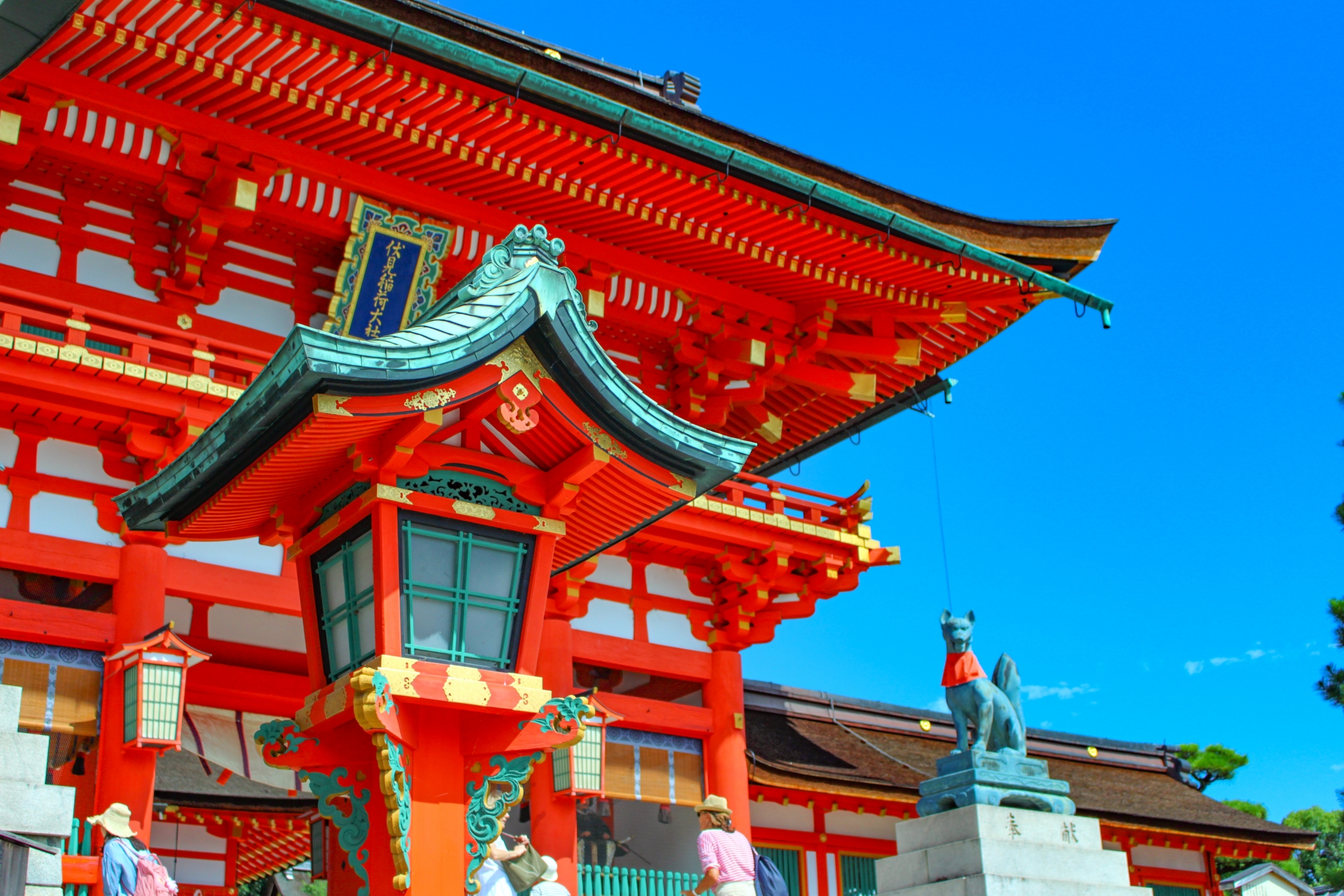
In September 2026, for example, a video circulated online showing a group of tourists dancing beneath the torii gates at Fushimi Inari Shrine in Kyoto, while other visitors waited for them to finish.
The shrine later posted a notice, in both Japanese and English, asking visitors to observe proper manners. Marty Friedman, the former Megadeth guitarist who has lived in Japan for many years, also responded online, asking tourists to stop.
A shrine is a place of prayer. It is not a backdrop for social media.
It made me think.
Because, unfortunately, there are times when Japan can be treated almost like an exotic stage set.
Something cool.
Something beautiful.
Something strange and different.
A place to photograph, collect and consume.
I understand why some Japanese people feel uncomfortable with that.
Of course, there is nothing wrong with being attracted to what we see first.
The surface is often where curiosity begins.
But it does not have to be where it ends.
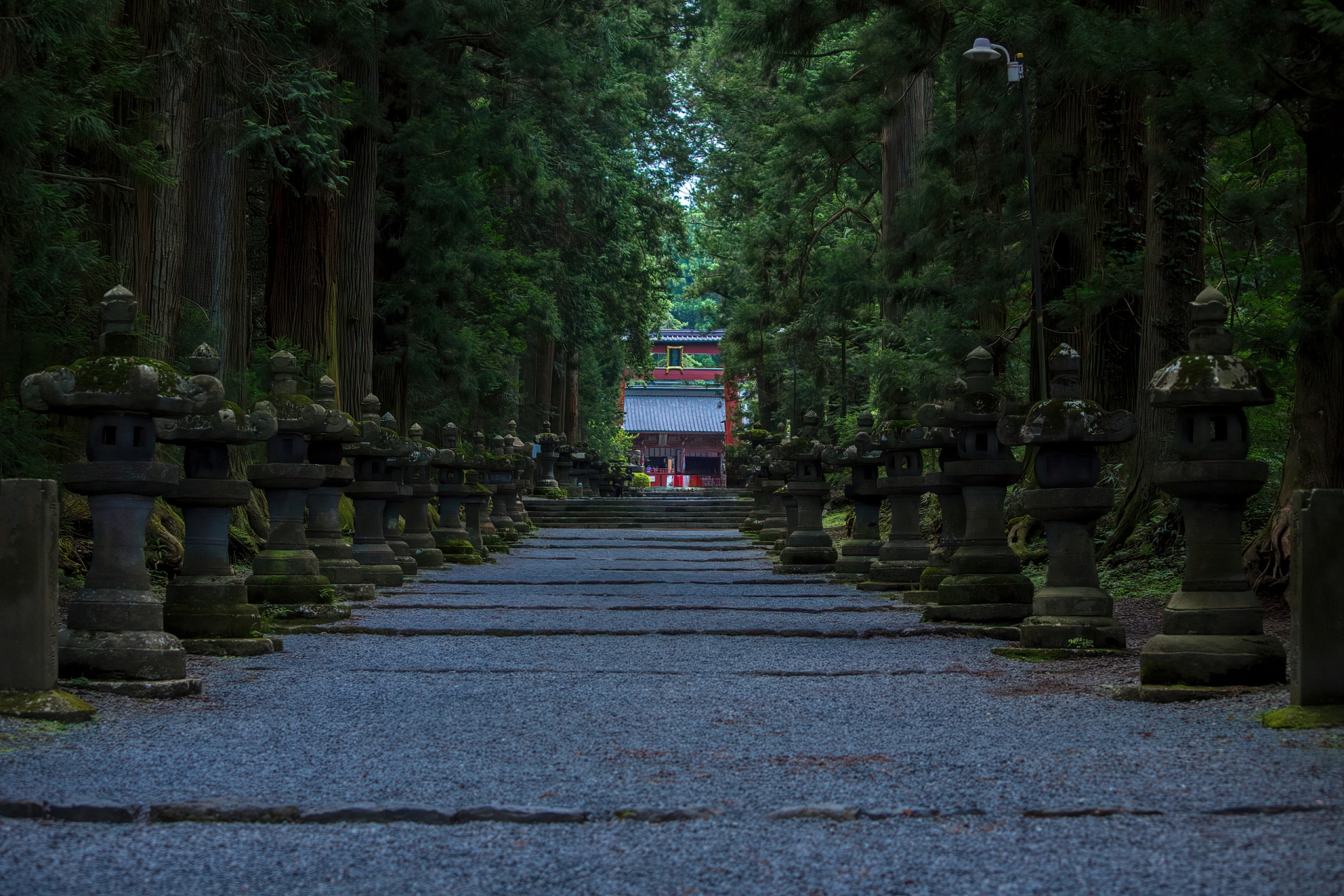
While I was in Japan this time, I began to notice something as I watched visitors around me.
Many of them seemed to want more than a photograph.
They wanted to understand what they were looking at.
They just didn’t always know where to begin.
So, if they have a little help to see what lies behind what they see, they can begin to feel Japan differently, perhaps?
For me, language has always been one way into these deeper layers of Japan.
A word can reveal an assumption.
A phrase can show us how people understand distance, care, gratitude or belonging.
But language is not the only way in.
A bowl,
a shrine,
a seasonal custom,
the way something is wrapped,
or even the way a room is left partly empty can also open a door.
So perhaps the question is not whether we photograph Japan, buy something from Japan, or enjoy what first catches our eye.
The question is what happens next.
Do we stop at the image?
Or do we become curious about the life, history and ways of seeing behind it?
Feeling Japan may begin with something very small: paying attention to what is already there.
That is what Japan in Small Ways is about.
Here, I will share words, objects, customs and everyday habits.
I hope they can help you see Japan more deeply.
10 Quiet Ways to Bring a Little Japan into Your Everyday Life
Ten quiet invitations to bring Japanese ways of seeing into everyday life.