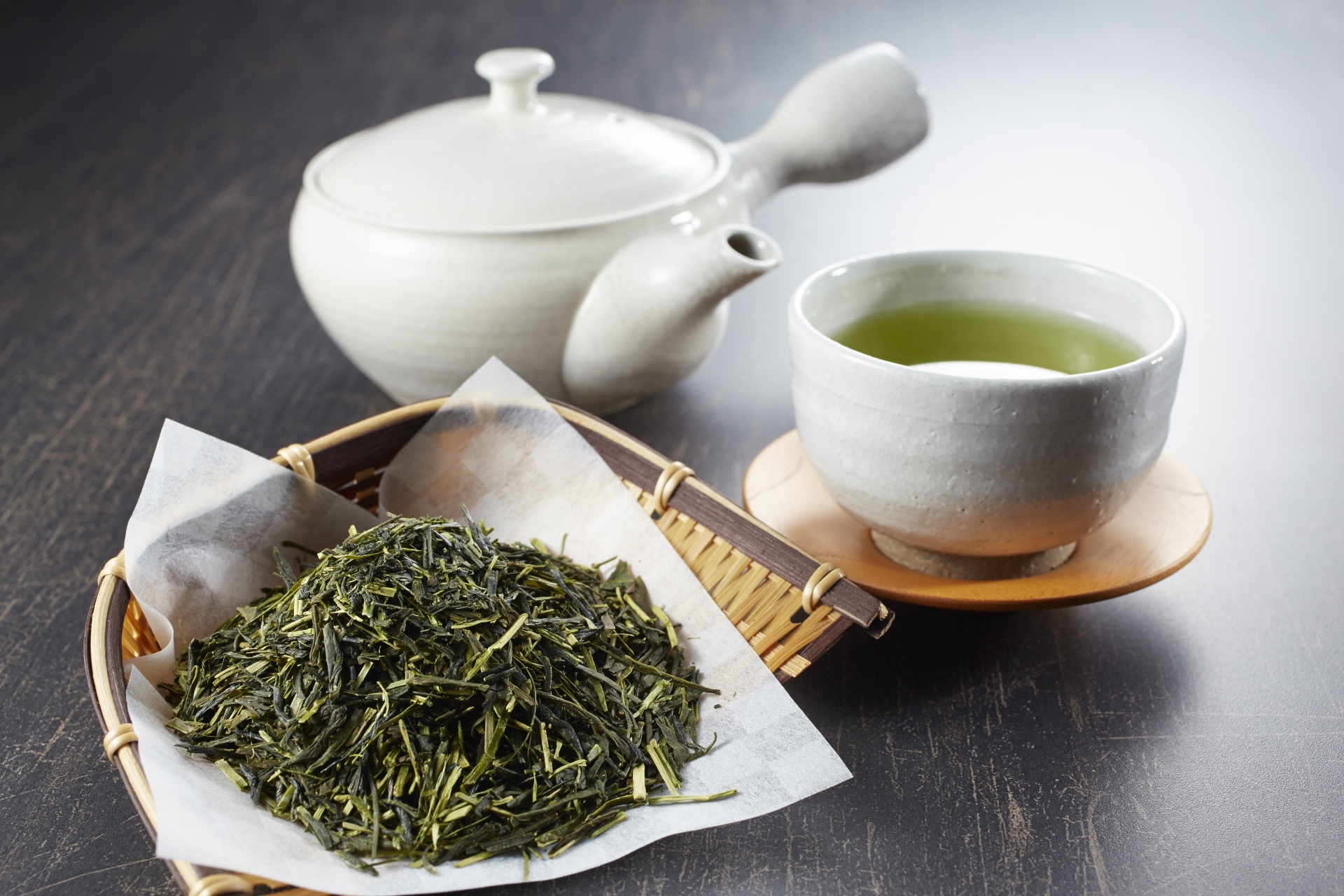
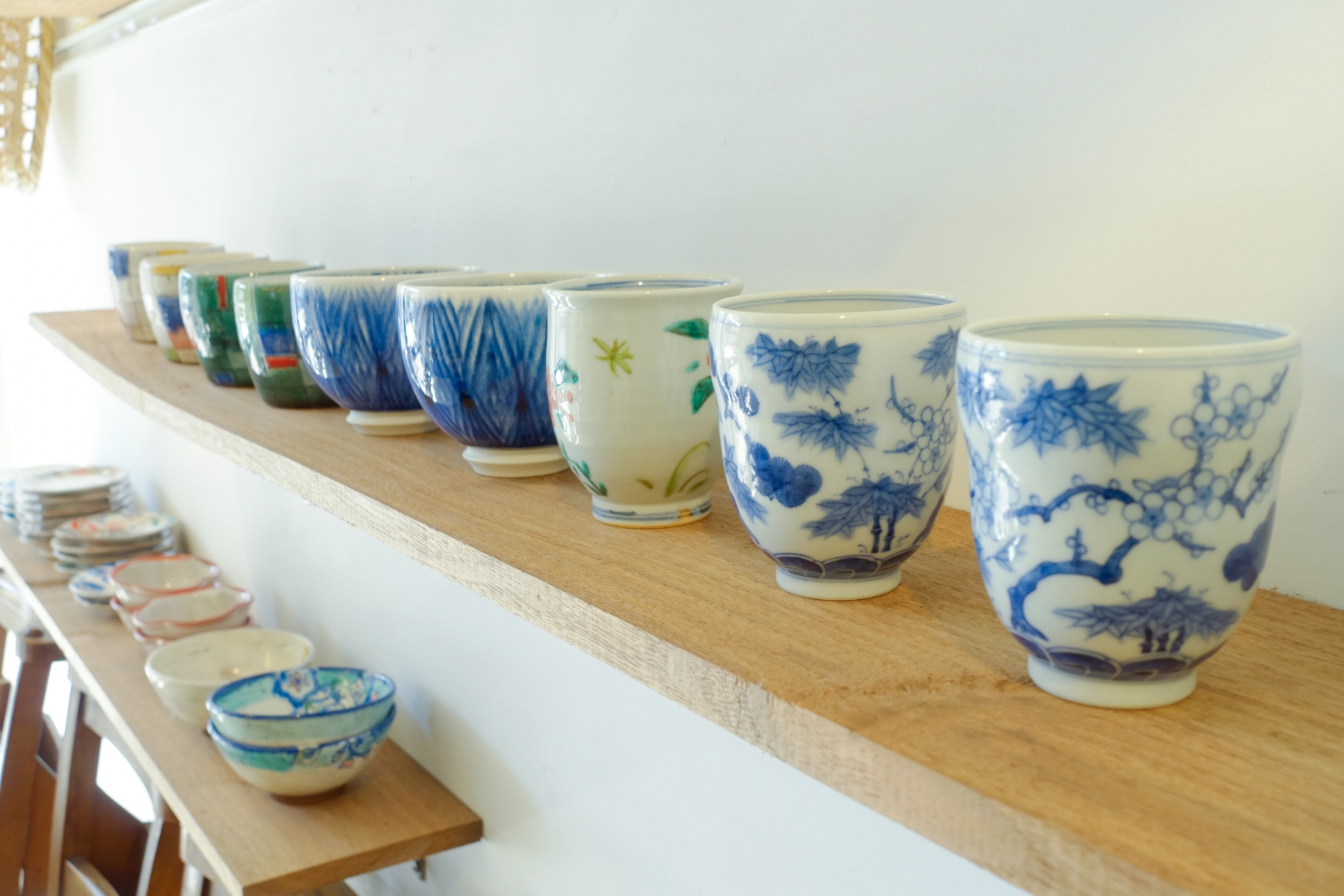
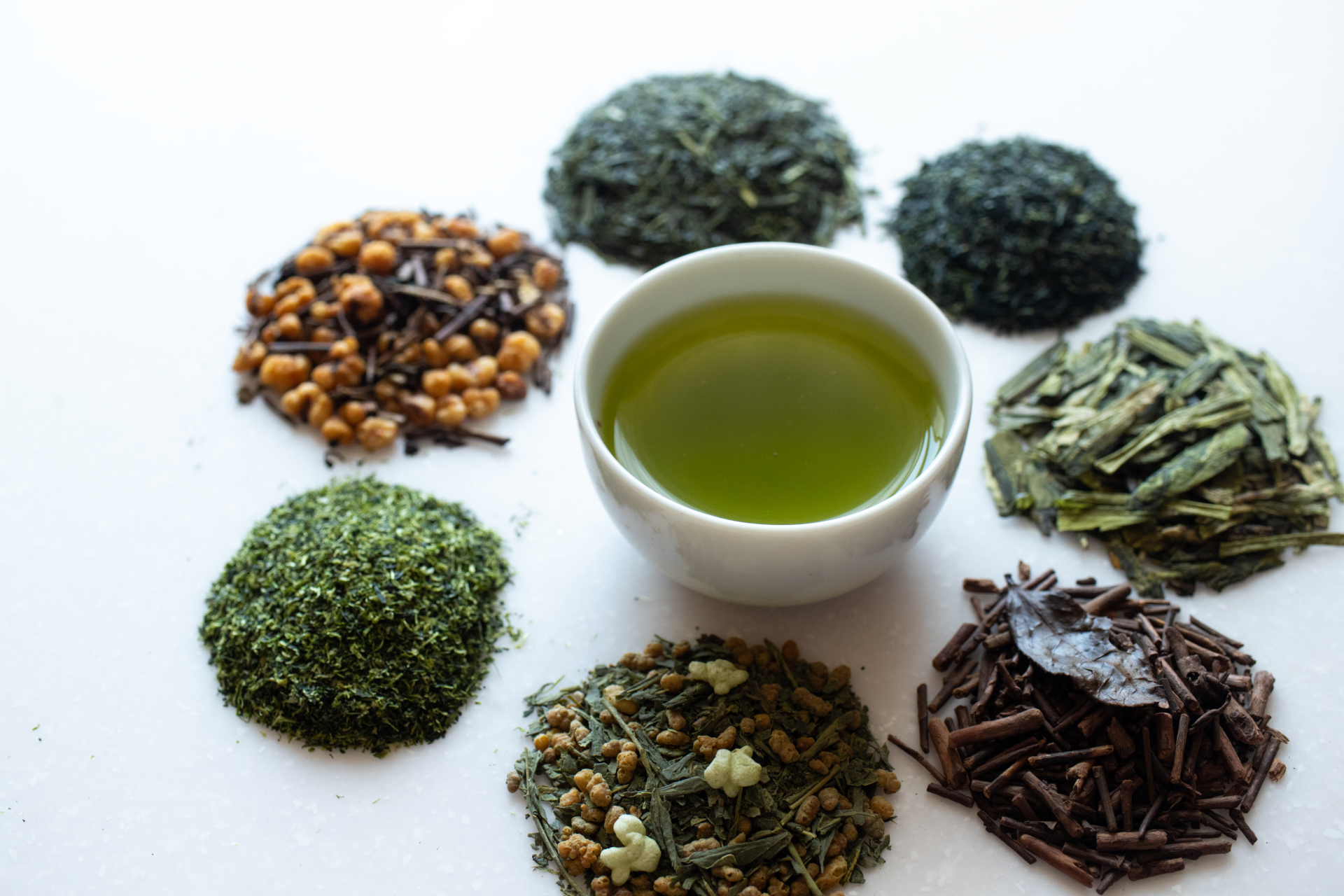
The side handle is easy to notice. The things that make a teapot useful are often harder to see.
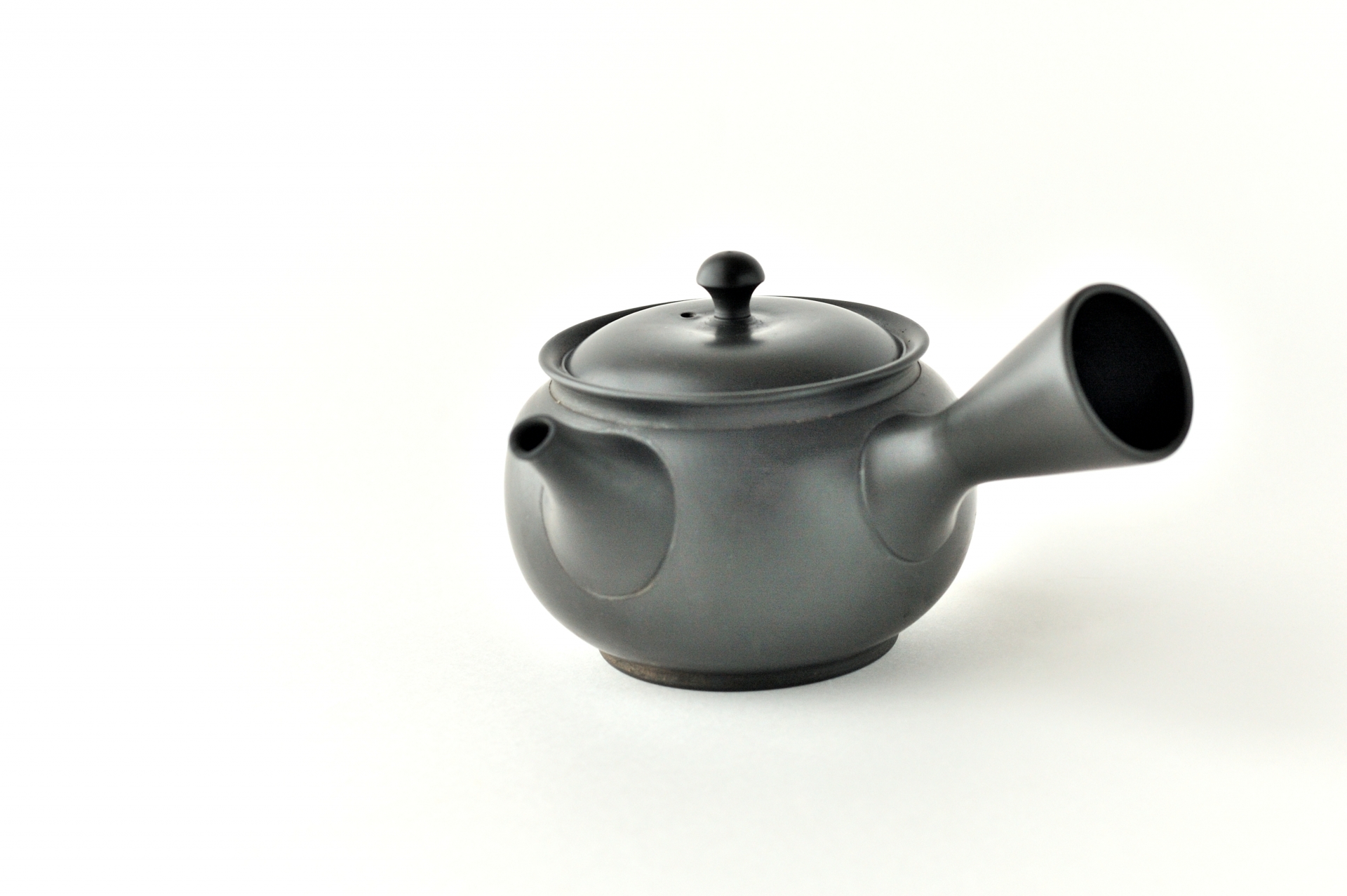
A Japanese teapot with a handle sticking out to the side can look unfamiliar at first.
How do you hold it?
Is it only for green tea?
And why are some so small that they hardly seem worth filling?
A kyusu (急須) is a Japanese teapot, and one of the most common tools for making sencha. On the familiar style, the handle sits at a right angle to the spout, so you pour with a small tilt of the wrist.01
Its job is simple: brew the leaves in water, then pour out the tea while keeping the leaves in the pot.
When you choose one, think first about how much tea you want to make, which leaves you will use, and the hand that will pour it. After that, material and looks can become enjoyable choices rather than obstacles.
Some links in this guide are affiliate links, which means I may earn a commission if you buy through them.
Choose the size before the colour
Think in millilitres, not just in “cups”. A small Japanese teacup and a large breakfast mug can hold very different amounts.
Kyusu commonly range from about 150 to 450 ml.01 For a first pot, these are useful ranges to look at. They are shopping guides, not traditional rules:
Swipe sideways to see both columns →
| Your usual serving | A capacity to look at |
|---|---|
| One small cup, brewed again from the same leaves | About 150–250 ml |
| Two modest cups | About 250–350 ml |
| Several people, or one larger drink | About 350–500 ml |
The capacity on the label is not always the amount of tea you can pour. The leaves take up space and hold water, and you may not want to fill the pot to the brim. If two cups each need 100 ml, a pot labelled 200 ml leaves very little room.
The ranges overlap on purpose. Your cups, how much leaf you use and how strong you like your tea matter more than a fixed “people per pot” formula.
Before you buy, measure the serving you enjoy by pouring water into the cup you already use. It is a simple way to find out whether a beautiful 140 ml kyusu would suit your habits, or leave you wishing again and again that it were bigger.
Look closely at the strainer
The strainer may be built into the body, fitted along the inside wall, or come as a removable basket. The size of the holes, the mesh and the area of the strainer all affect how easily the tea pours.
Fukamushi sencha (深蒸し煎茶) is steamed for longer, so it contains very fine pieces of leaf.02 If you drink it, ask whether the strainer is designed for this kind of tea. For example, the strainer in one of its pots has fine holes, made for sencha and gyokuro.03
A few large holes may let through more leaf than you expect. A small strainer area can also make the tea pour slowly.
With a removable basket, check that it is roomy and reaches down far enough for the amount of water you plan to use. A basket that works when the pot is full may leave the leaves sitting above a smaller brew.
A metal mesh is not automatically worse than a ceramic strainer. Choose the design that suits your leaves and pours reliably. The strainer is part of how the pot brews, not a detail to judge by prestige.
Make sure the handle suits your hand
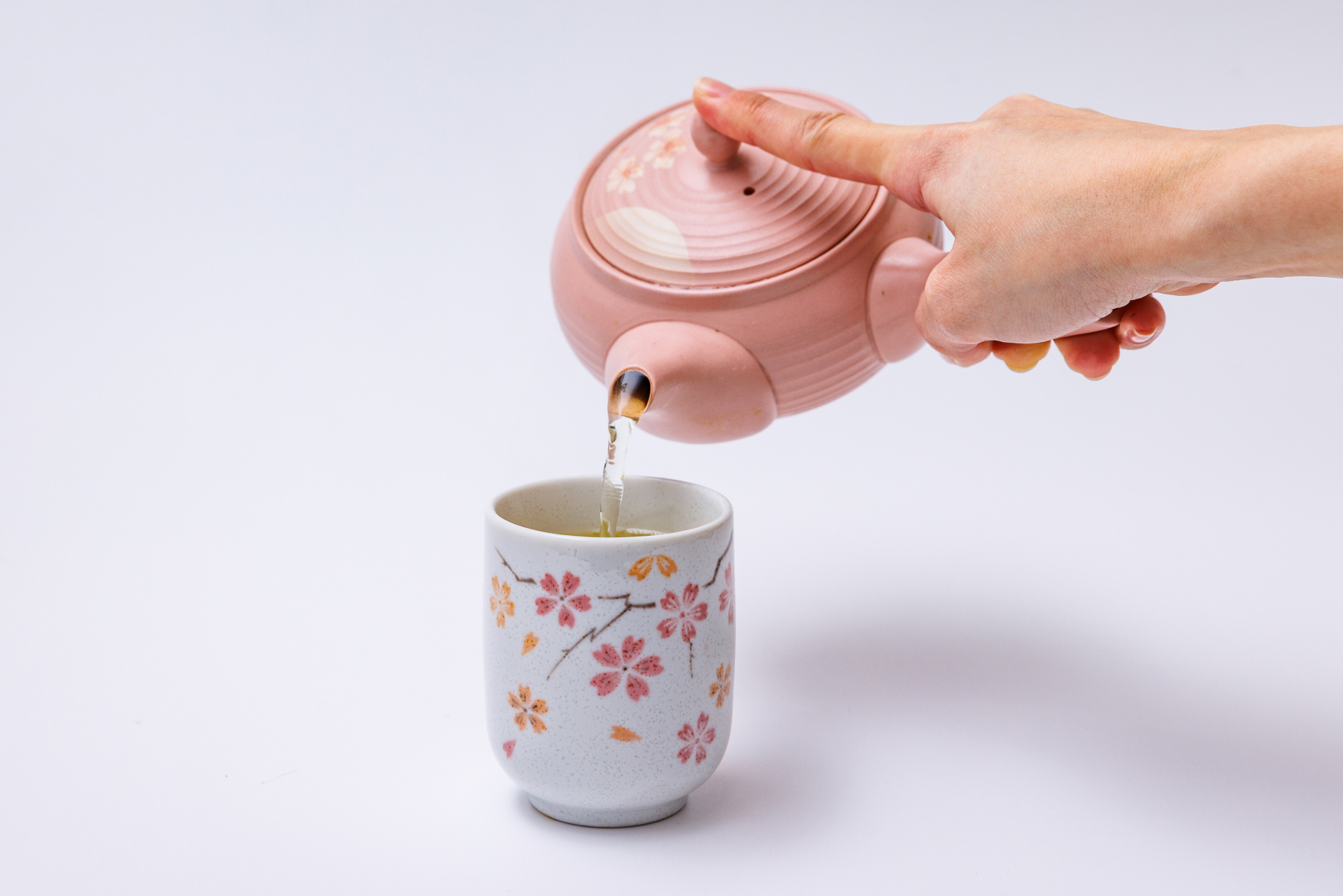
A side handle asks for a different pouring movement from a pot with the handle at the back. You tilt your wrist while holding the lid steady with your other hand.
Most side-handled kyusu are made for right-handed people. Left-handed ones exist, but they are much rarer, so it is worth checking before you buy.0103 A pot with the handle at the back is another option.
When shopping online, look for a photo of the pot being held. If the weight when full, the length of the handle or the grip are not clear, ask. A pot that feels comfortable when empty may feel quite different with water inside.
If you can hold one in person, try the movement before you fall in love with the glaze.
Can you steady the lid without stretching your hand?
Does the handle feel secure?
Can you finish pouring without forcing your wrist?
Porcelain, glazed pottery or unglazed clay?
Porcelain or glazed pottery can be a practical first choice, especially if you want to use the same pot for different teas. The finish inside the pot, and the maker’s care instructions, matter more than how the outside looks.
Unglazed clay is lovely for its surface and the traditions behind it. But it gradually takes on the scent of what you brew in it. This is especially true of scented teas, and of herbal teas that are not made from the tea plant.04
So if you also drink scented or herbal teas, check whether the maker recommends keeping this pot for particular teas.
Tokoname (常滑) and Banko (萬古) are important names in Japanese teapot making. Tokoname is known for its red, iron-rich clay, and Banko for its dark purple colour.01
But a place name alone does not tell you a pot’s capacity, its strainer, or how easy it is to clean. Porcelain is used for Japanese green-tea kyusu too.05
You may see claims that a particular clay makes every tea taste sweeter. Think of your purchase first as a well-made tool for brewing. A new pot cannot fix stale tea, unsuitable water, or tea that has brewed for too long.
TWO EVERYDAY KYUSU TO COMPARE · AD
Two practical examples for everyday tea: a compact Shigaraki pottery pot and a larger Hasami porcelain pot.
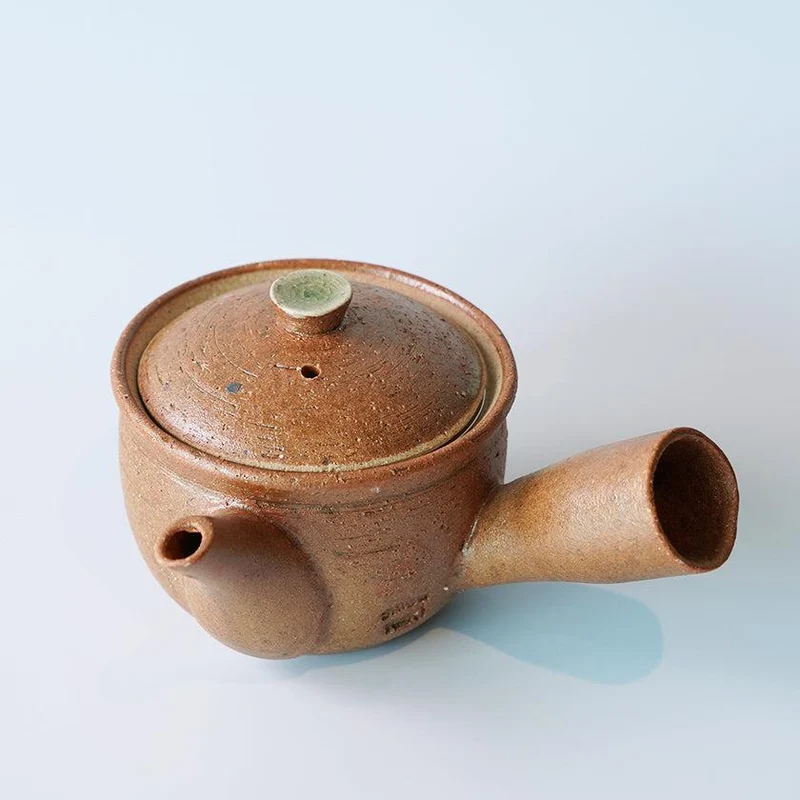
SHIGARAKI POTTERY
Yamasho Touki Reddish-Brown Kyusu — 230 ml
A compact Shigaraki-ware kyusu for a modest everyday brew, with a visible metal-mesh strainer and a 230 ml capacity.
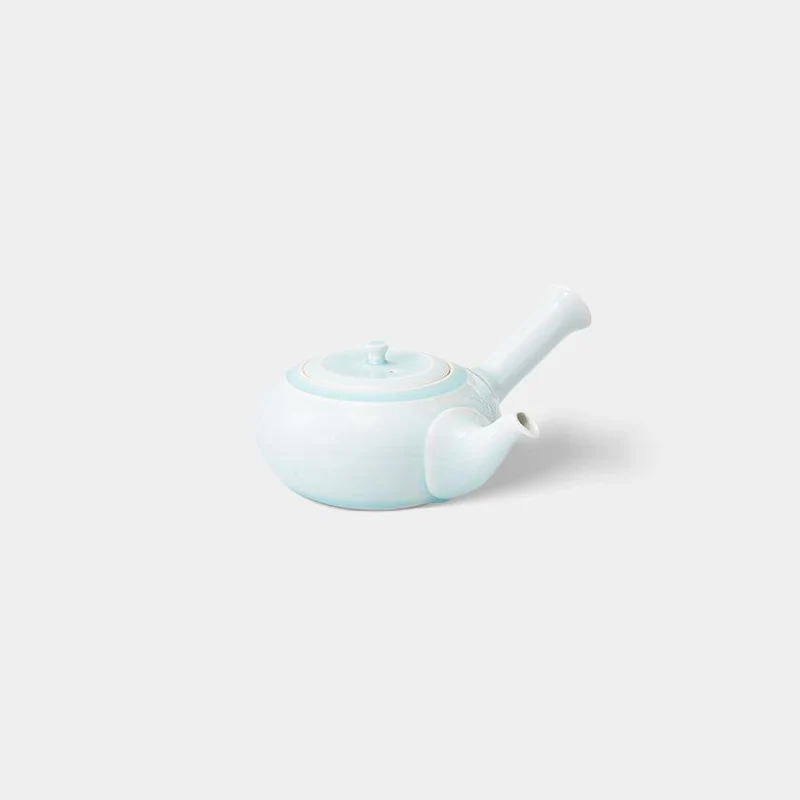
PORCELAIN
Saikai Toki Blue Porcelain Kyusu — 350 ml
A larger Hasami-ware porcelain pot for two modest cups or a more generous serving. Its pale porcelain makes the colour of green tea easy to see, and BECOS lists it as dishwasher- and microwave-safe.
Check the quiet details
Look for a spout that stops pouring cleanly, a lid that sits steadily, and an opening wide enough to take out the wet leaves. Photos and demonstrations from the maker can help here.
These details matter most when you pour a little tea into several cups, stopping and starting as you go.
A wide opening also lets you see inside. You can check whether any leaves are left after rinsing, and watch how the leaves change as you brew them again.
Ask what happens if the lid breaks. A carefully fitted lid may not swap with a lid from another pot, even one that looks the same.03
Using and caring for your kyusu
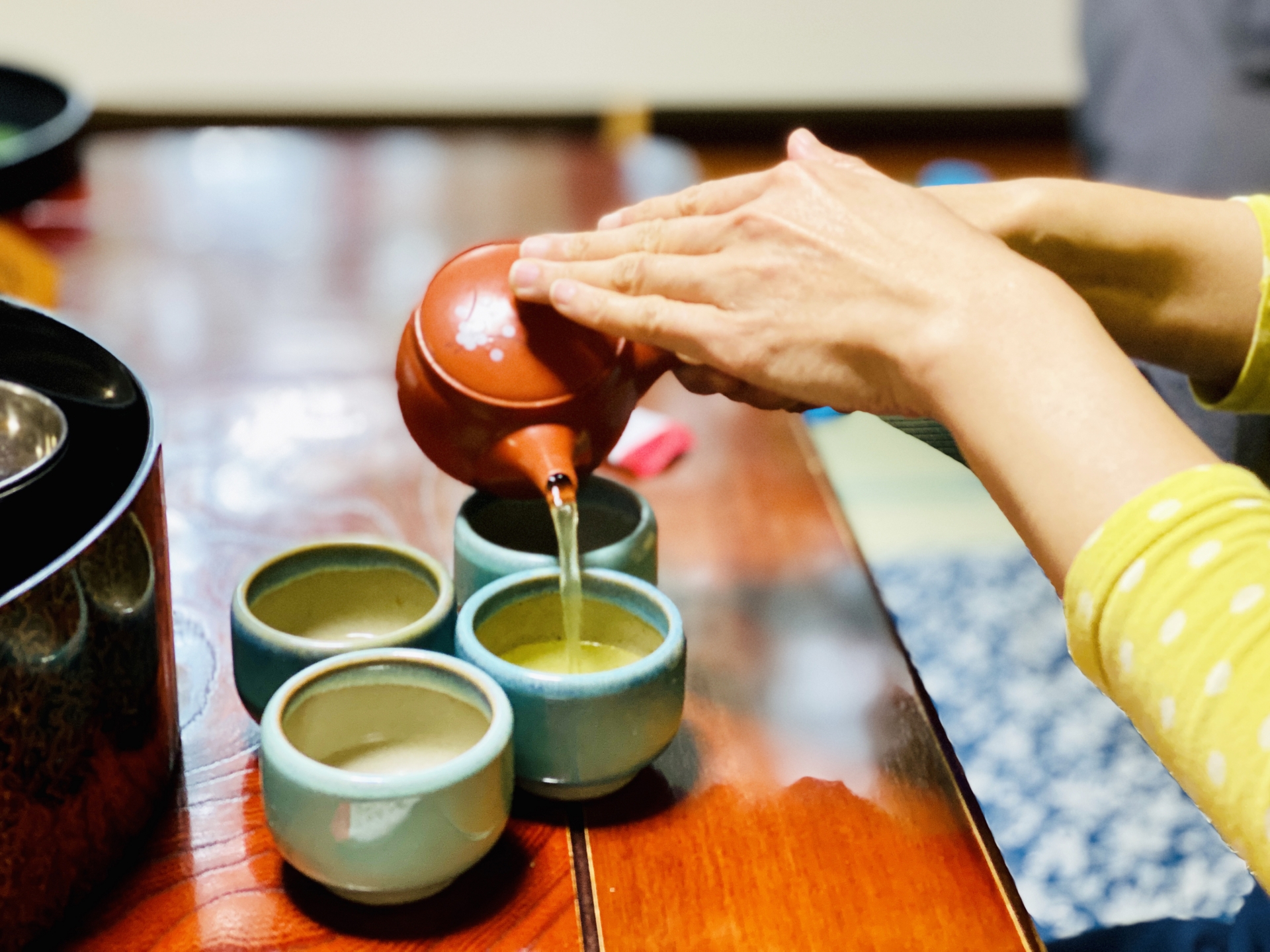
Put the leaves in the pot, add water at the temperature recommended for that tea, and pour once the tea is ready.
Hold the lid in place and pour gently, right down to the last drop. Then set the lid slightly ajar, so the leaves do not stew in the heat before the next infusion.06
When you have finished, throw away the used leaves soon, rinse the pot until no leaves remain, wipe it dry with a clean cloth, and leave it to dry until next time. That is Ippodo’s simple routine for its kyusu.04
Care instructions still depend on the pot, so do not apply one rule to every material.
Ippodo, for example, allows washing-up liquid and the dishwasher for its small white porcelain kyusu.05 For its black Tokoname pot, it advises against washing-up liquid, because the clay can take on smells, and against the dishwasher, because the spout chips easily.03
A kyusu is normally a pot for brewing, not a kettle. Do not put it on the hob unless the maker clearly says it is made for direct heat.
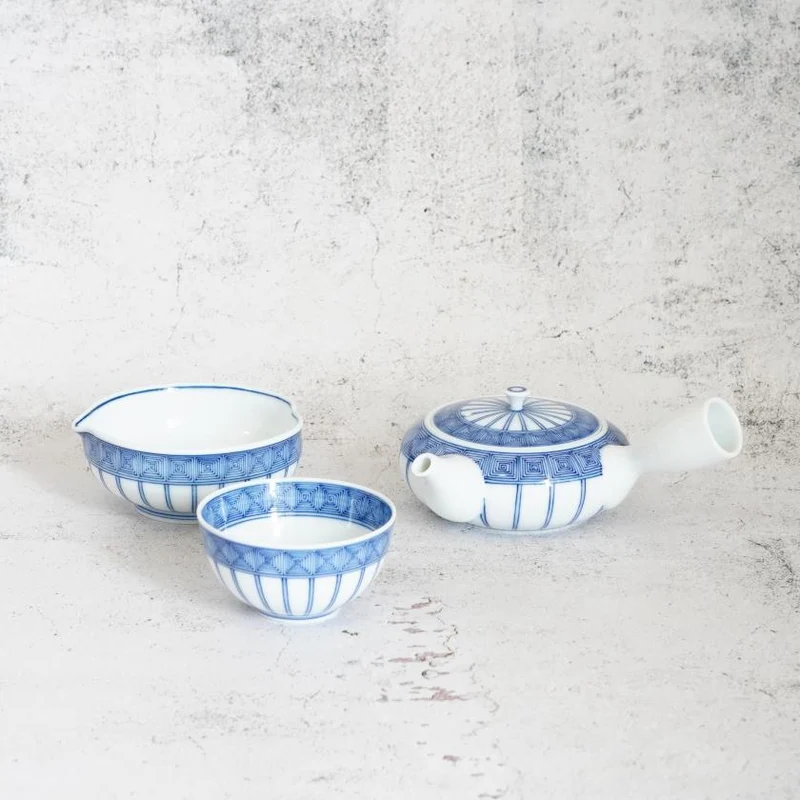
PREMIUM CRAFT SET · AD
Hirado Shozan Kyusu & Samashi & Sencha Hirado-Jyusso — 3-piece set
Made in Mikawachi ware, also known as Hirado ware, this premium set brings together a 140 ml kyusu, a 130 ml samashi (water-cooling vessel) and an 80 ml cup.
The delicate indigo line work and carefully balanced forms reward close attention to handcraft.
It is for someone who wants more than a practical teapot: a refined piece of Japanese craft to use, care for and return to over many years.
Try this
Measure your usual serving of tea. Then compare three pots by capacity, strainer, handle and care instructions before you look at the price. Which one would you happily use and clean most days?
Sources
[01] Global Japanese Tea Association, Japanese Teaware
[02] ITO EN, Types of Japanese Green Tea
[03] Ippodo, Black Kyusu Teapot (Tokoname-yaki)
[04] Ippodo, How Do I Clean My Kyusu?
[05] Ippodo, Small White Porcelain Kyusu Teapot (Hasami-yaki)
[06] Japan Tea Action, How to Brew Delicious Tea (in Japanese)
[07] Official Tokoname Pottery Portal, The Appeal of the Kyusu (in Japanese)
10 Quiet Ways to Bring a Little Japan into Your Everyday Life
Ten quiet invitations to bring Japanese ways of seeing into everyday life.