A rice bowl, a lacquer soup bowl, a patterned porcelain plate and a small pottery dish may all look different. So why can they still feel as if they belong together?
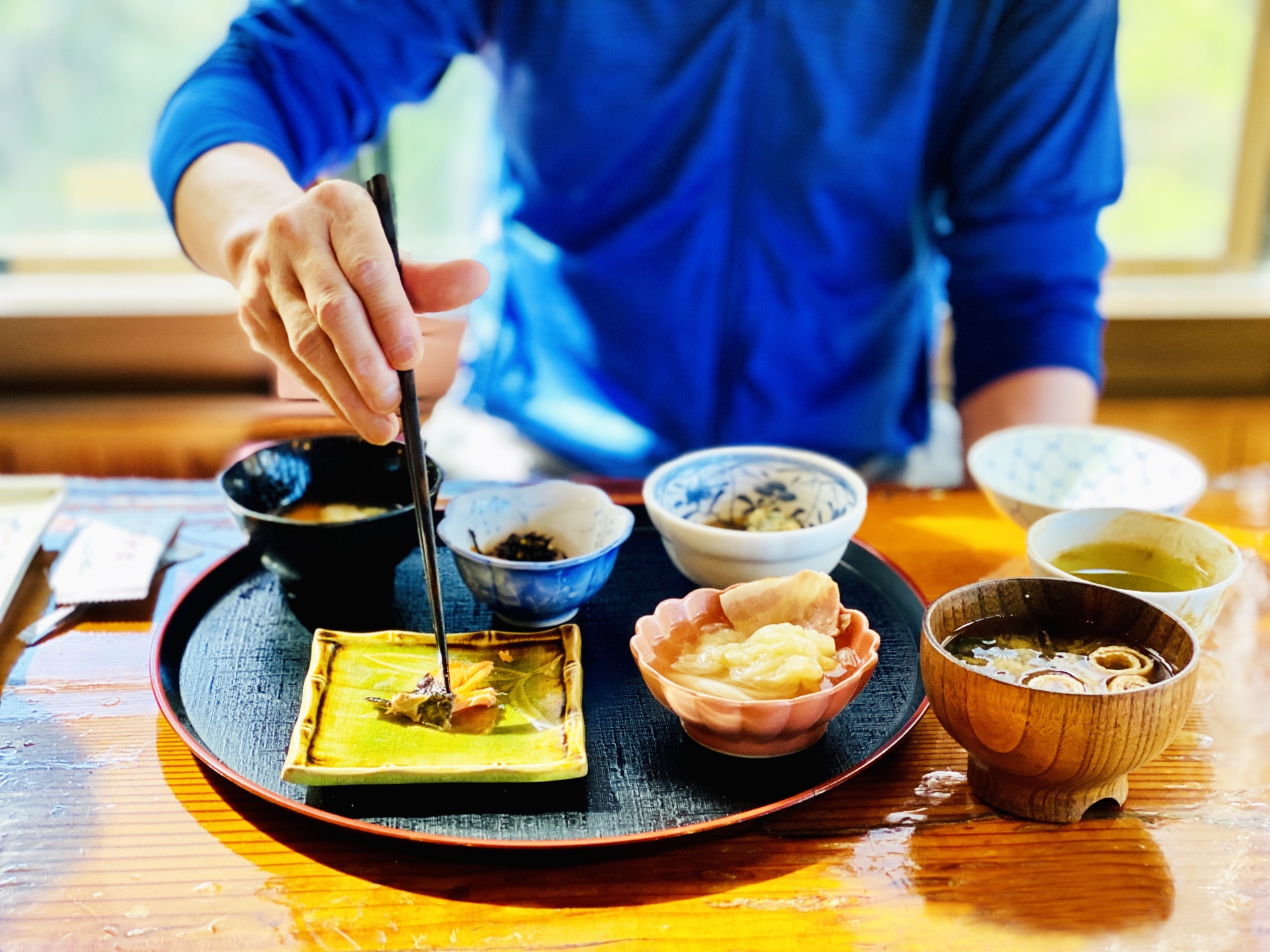
Look at a traditional Japanese meal, and one thing may seem unusual if you are used to Western-style dinnerware.
Almost nothing matches.
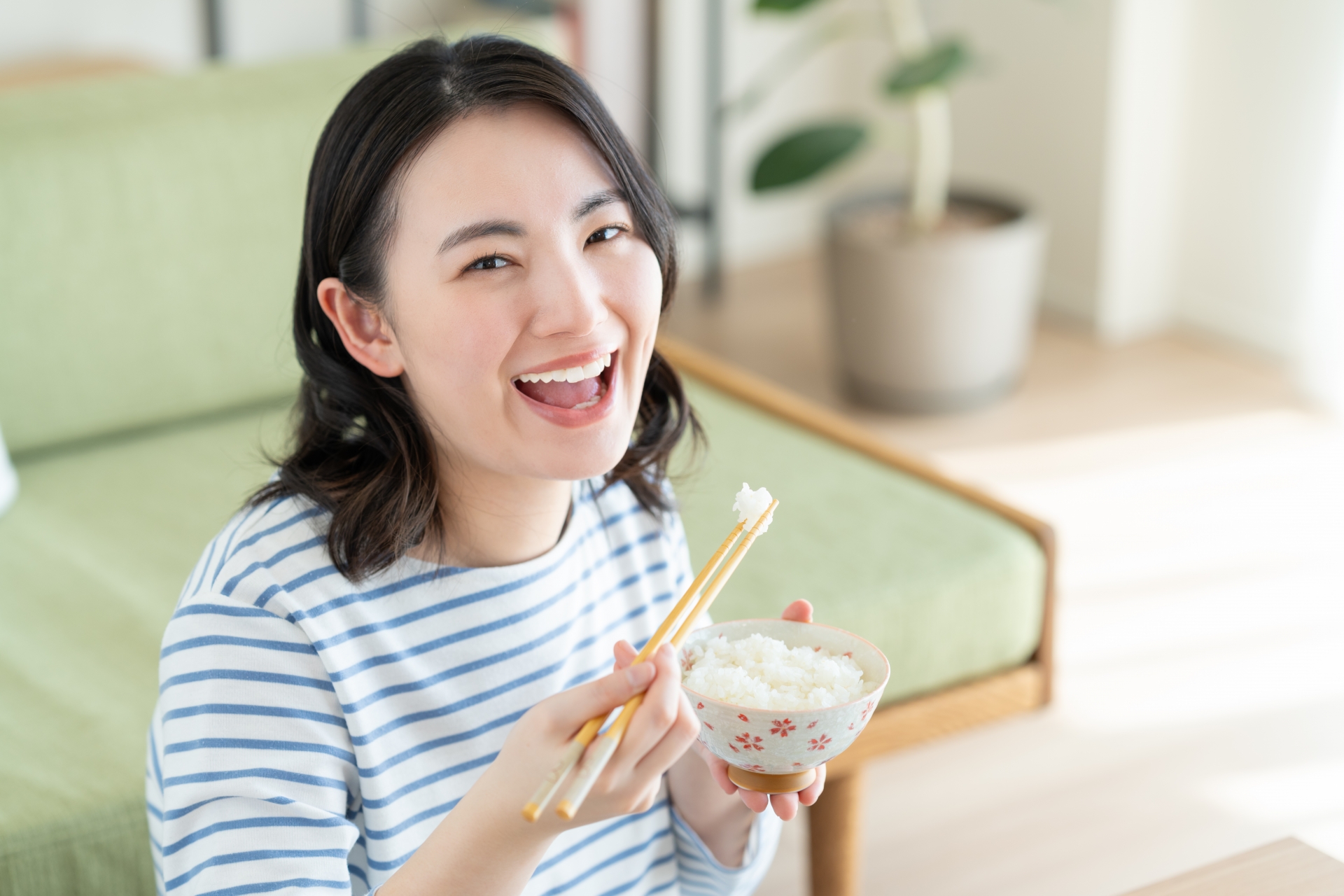
The rice may be in a small pottery bowl.
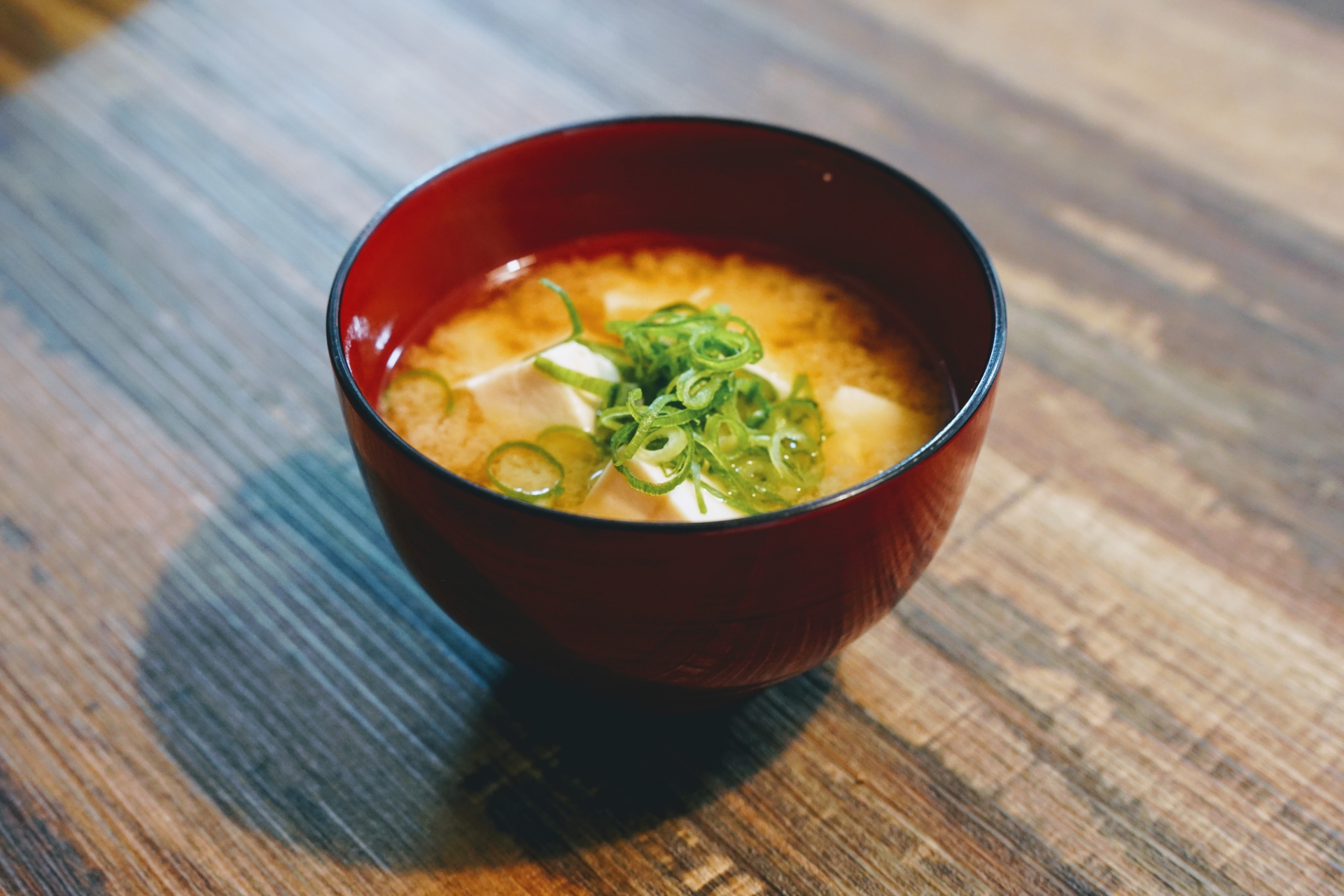
The soup in a lacquer bowl.
Grilled fish on a long porcelain plate.
Vegetables in a small glazed dish.
Pickles in something smaller still.
Even the chopsticks may belong to one particular person, rather than to a matching set kept in a drawer.
And yet the table doesn't have to look chaotic. Quite the opposite. The different pieces can make the meal feel balanced, seasonal and complete.
To understand why, it helps to start not with the tableware, but with the meal itself.
Before We Talk About Tableware, Look at the Meal
In many Western meals, one large plate is the centre of the setting. There may be meat or fish as the main element, with potatoes, vegetables or other foods arranged around it.
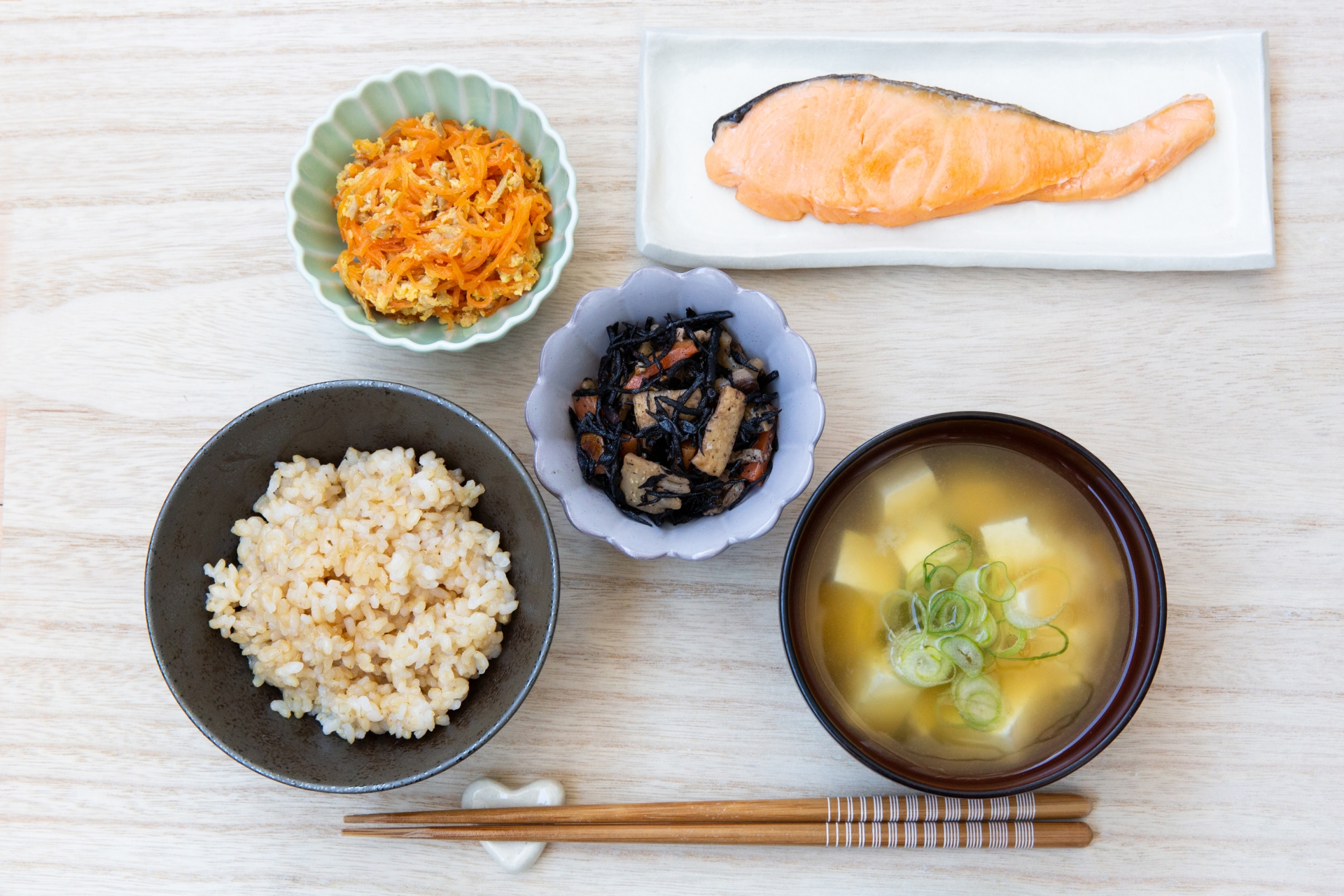
A traditional Japanese meal is built a little differently.
Rice has its own place.
Soup has its own place.
And then there are the foods eaten alongside the rice.
A familiar traditional pattern is ichijū-sansai (一汁三菜). Japan's Ministry of Agriculture, Forestry and Fisheries describes it as rice, soup, one main dish and two side dishes:01
- rice
- one soup
- one main dish
- two smaller side dishes
The phrase itself means "one soup, three dishes".02 Rice is not even counted among the three. The ministry's guide The Washoku Way calls rice "the assumed center of the meal".03
This helps explain something that may otherwise seem curious. Why do rice and miso soup so often appear together?
They are not just two popular foods that happen to be served at the same time. They play different roles in the basic structure of the meal. Rice is the staple. Soup goes with it. And the other foods are eaten with the rice.
Another Japanese word helps here: okazu (おかず).
It is often translated as "side dish", but that isn't quite enough. Okazu means the foods eaten with rice — and the word itself is said to come from the idea of putting many things together.04 In ichijū-sansai, all three dishes are okazu, so the word covers what English might call both the main dish and the side dishes.05
A piece of grilled fish can be okazu. So can simmered vegetables. So can pickles.
Seen this way, the meal is not built around one main item in the centre of one plate. It is made of several different parts, each with its own role.
And once the food has different roles, the tableware naturally starts to have different roles too.
1. Different Foods Ask for Different Vessels
Rice needs a bowl you can comfortably hold in one hand. (We explore this in How to Choose One Japanese Rice Bowl You'll Want to Use Every Day.)
Soup needs a vessel you can lift to your mouth.
Grilled fish may suit a long plate.
A small portion of vegetables may need only a small dish.
Pickles need even less space.
So before we have even thought about colour, decoration or pottery style, we already have several different shapes on the table.
This is important. Japanese tableware did not become varied only because someone decided an eclectic table looked beautiful. The variety also grew out of how the meal itself was organised.
Form followed use. And over time, practical differences also became chances for aesthetic choice.
Some links in this guide are affiliate links. If you buy through them, Japan in Small Ways may earn a commission at no extra cost to you.
See how different pieces can work together · AD
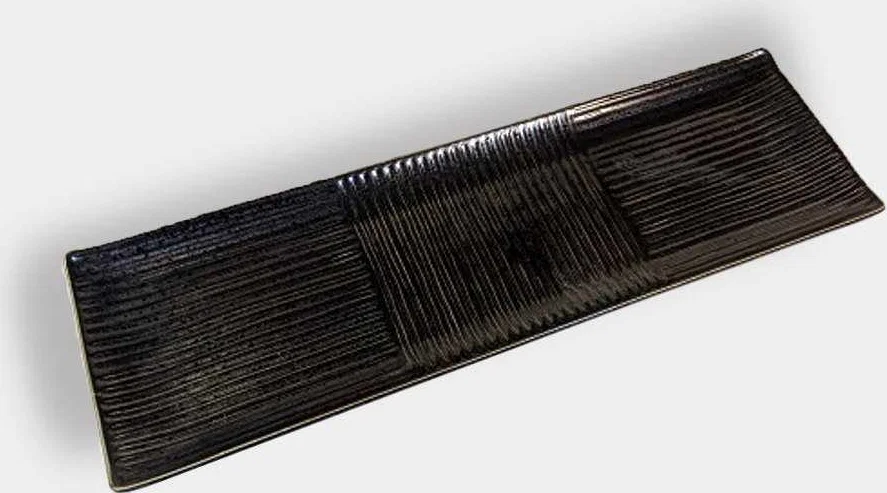
MAIN DISH
Kushime Saury Plate, Black
Marumo Kato Pottery · Mino ware · Gifu, Japan
A simple long plate, 33 cm by 10 cm, made for grilled saury but just as good for starters or sushi.
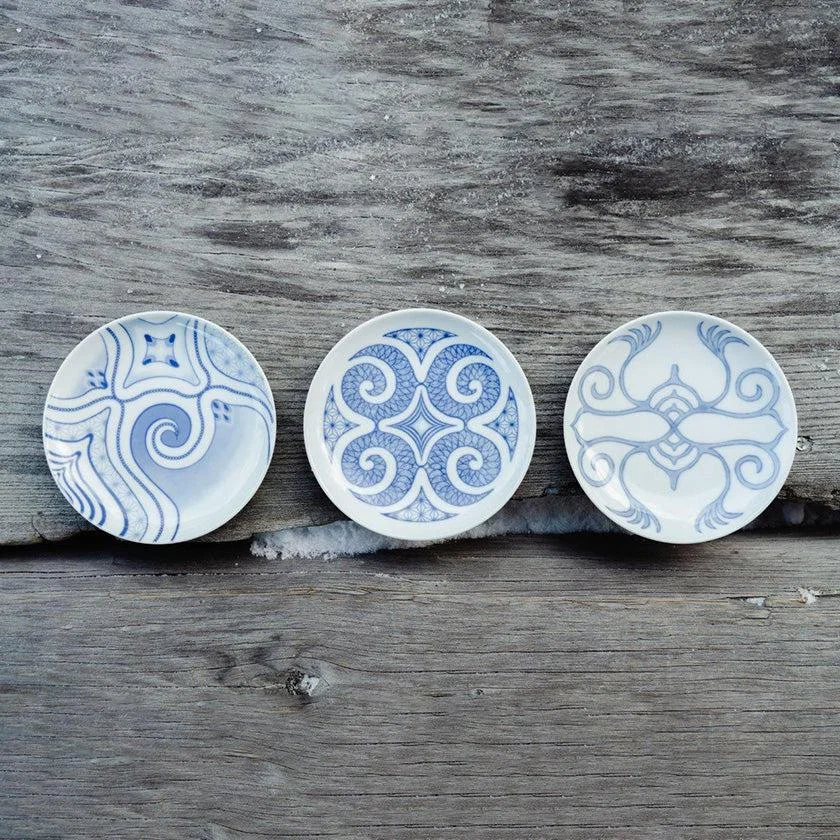
SIDE DISH
Blue and White Dyed Plate
Designed by Fukiko Goukon (Akanko Ainu Kotan, Hokkaido) · Arita porcelain by Kubota Minoru Ceramics
A small plate, about 12 cm across, with Ainu patterns painted in indigo blue. A good size for salads, simmered vegetables, fruit or sweets.
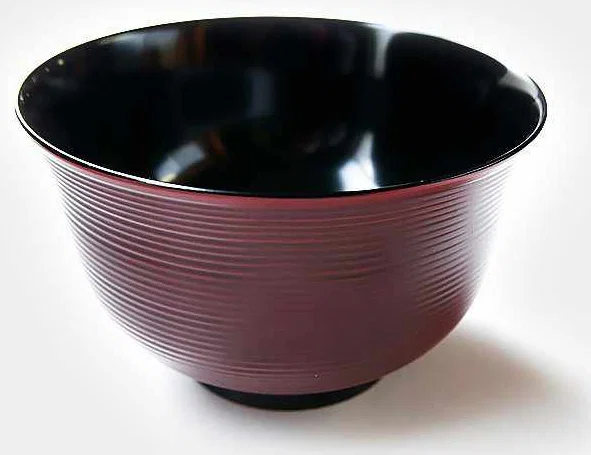
SOUP
Goto Lacquer Bowl
87.5 (Kawaguchi Shikki) · Kagawa lacquerware · Kagawa, Japan
A wooden bowl finished in Goto-nuri lacquer, with fine lines on the outside. Its curved shape makes soup easy to drink, and it can also be used for rice. Hand wash only.
A long Mino plate for the main dish, a small Arita plate for vegetables, and a lacquer bowl for soup. Different regions, materials, colours and shapes — but each has a clear role at the meal. This is the kind of combination we mean when we say that Japanese tableware doesn't need to match.
2. Different Materials Can Belong Together
The variety doesn't stop with shape. A single Japanese meal may include:
- a pottery rice bowl
- a lacquer soup bowl
- a porcelain plate
- a small ceramic dish
- wooden chopsticks
From the point of view of a matching dinner set, that may sound like a lot of unrelated materials.
But on a Japanese table, they sit together quite naturally.
A smooth white porcelain plate can make colourful food look crisp and bright. A darker pottery bowl can add warmth. We look more closely at how those materials feel in the hand in our guide to choosing a Japanese rice bowl.
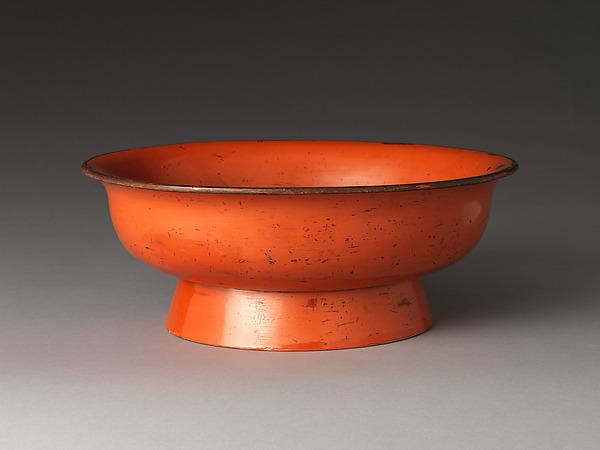
Lacquer has a completely different surface again. Wooden lacquer bowls are light and don't pass on heat easily, so you can lift hot soup to your lips without feeling the heat.0607 Why lacquer for soup? We explore that in our guide to Japanese lacquer soup bowls.
The table doesn't need every object to be made of the same material to feel whole.
Harmony does not require uniformity.
Sometimes the difference between materials is exactly what makes each one stand out.
3. Personal Tableware Adds Another Layer
There is one more reason Japanese family tables may not look fully matched. Some items have traditionally belonged to one particular person.
We have already seen this with rice bowls and with chopsticks. Japanese researchers use the term zokujinki (属人器) for tableware kept for one member of the household.09 As a Japanese government magazine puts it, "In many Japanese households each family member has their own rice bowl and teacup."10
So one person may have a white porcelain rice bowl. Another may have an earthy pottery one. A child may use a smaller bowl. Their chopsticks may differ too.
That means that even before anyone starts to "style" the table, personal differences are already built into it. The objects reflect the people using them.
A family table can hold several quite different personal pieces, and no one feels the tableware is incomplete.
4. Matching and Harmony Are Not the Same Thing
This doesn't mean Japanese tableware should look random. Nor does it mean that matching pieces are somehow un-Japanese.
The more useful difference is between matching and harmony.
Matching says: These things are the same.
Harmony asks: Do these different things work well together?
There are many ways to build that relationship.
Colour
You might put blue-and-white porcelain with a grey-blue pottery bowl. The pieces are not the same, but the colour family links them.
Shape
Several round bowls can be balanced by one rectangular plate. That difference gives the table structure.
Material
A table of mostly earthy pottery may feel more alive with one clear white porcelain dish.
Scale
A large serving bowl, a medium plate and a small side dish create a visual rhythm simply because their sizes differ.
Repetition
You don't need every piece to match. Repeating one element — a similar blue, a shared glaze colour, two pieces by the same maker — may be enough to connect the table.
The aim is not to remove difference. It is to let the differences relate to one another.
5. Contrast Can Be Part of Harmony
One interesting thing about Japanese ways with tableware is that contrast doesn't have to break harmony. It can create it.
Yuki Teiichi (湯木貞一), who opened the restaurant Kitcho in Osaka in 1930, became one of Japan's most celebrated chefs. In 1988 he was the first chef to be named a Person of Cultural Merit.1112 He gave great importance to the vessels. When planning a menu, he is said to have first lined up pieces of tableware, and only then thought about the best food to serve on each one.10
In other words, the vessels and their relationships came first.
A rough pottery bowl beside fine porcelain can make the porcelain feel even more delicate. A plain dish can make a patterned one stand out. A dark lacquer bowl beside a pale plate can give the whole setting more depth.
Contrast is not the opposite of harmony. Sometimes it is what lets us see each piece clearly.
6. Sometimes You Match. Sometimes You Don't.
There is also no rule that everything must always be different.
You may use two matching plates. A couple may have meoto-jawan (夫婦茶碗), a pair of rice bowls in two sizes.13 You might love one porcelain series and use several pieces together. Or you may choose several dishes in similar shades for a very quiet table.

Matching is perfectly possible. The freedom lies elsewhere: matching is optional.
You can repeat when repetition feels right. You can contrast when contrast feels right. You can use the same combination many times, then change one small plate and create a completely different mood.
That flexibility is one of the pleasures of building a tableware collection slowly.
7. Season Changes the Combination
The same collection can also feel different at different times of year.
Japanese food culture has long paid close attention to the seasons, and tableware is part of that. A Japanese government magazine notes that different dishware is used depending on the seasonal theme of the meal.10 The Washoku Way gives examples: glass and cool blue-and-white dishes in summer, and warm earthenware in winter.03
In warmer months, you might reach for:
- white porcelain
- blue-and-white decoration
- glass
- lighter forms
They can make a table feel cooler and more open.
In colder weather, you may prefer:
- thicker pottery
- deeper glazes
- darker colours
- heavier forms
They can make the same table feel warmer.
This doesn't mean you need four completely different sets of dishes. Quite the opposite. A few well-chosen pieces can change character depending on what you put beside them.
The blue-and-white plate you use with glass in summer might sit beside a warm brown pottery bowl in autumn.
The plate hasn't changed. The relationship has.
8. Build a Vocabulary, Not a Set
This is perhaps my favourite way to think about Japanese tableware.
Instead of trying to complete a matching set, imagine you are slowly building a vocabulary.
A rice bowl.
A lacquer soup bowl.
A small blue-and-white plate.
A warm pottery bowl.
A rectangular plate.
A tiny dish.
Each has its own character and its own role.
At first, you may have only a few "words". But as your collection grows, you can combine them in more ways. The same rice bowl can sit beside different plates. The same small porcelain dish may work with completely different meals.
One object changes meaning depending on what you put beside it.
That is much more flexible than thinking: I need twelve pieces from the same collection before my table is complete.
You don't.
Start with something you really like. Use it. Then add another piece when you find something that brings something different to the table.
Over time, you begin to understand your own collection.
Small plates are an easy way to start. The Japanese word mamezara (豆皿) means a very small plate, often around 6 cm across, used for condiments, soy sauce or pickles.15
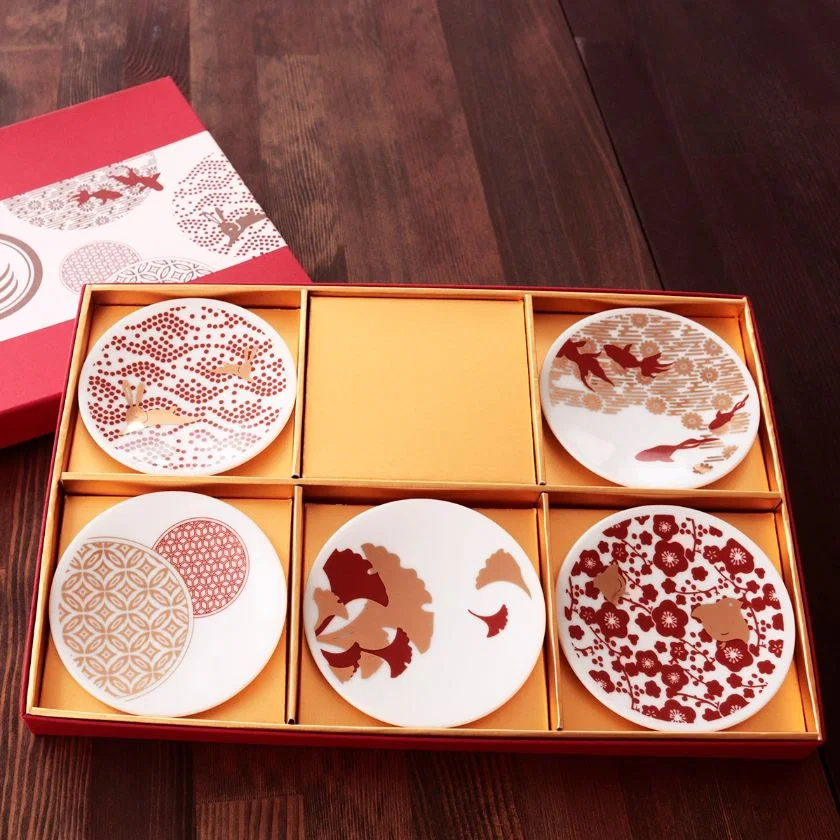
Start small with mamezara · AD
Shun Japan Shukin Mame Plates, Set of 5
Marumo Takagi · Mino ware · Gifu, Japan
Five small plates, about 9 cm across, each with a different traditional pattern in deep red and gold. They can hold pickles, condiments or a small side dish. They work as a family, without every plate looking the same. Hand wash only.
9. How to Mix Japanese Tableware Without Making It Look Random
There is no formula, but a few principles make a useful starting point.
Start with the food
Don't begin by arranging empty dishes just because their colours look good together. Think first about what you are serving. A beautiful plate still has to make the food look inviting.
Let one thing repeat
Perhaps two pieces share a similar blue. Perhaps several dishes are round. Perhaps there is a repeated warm glaze. One repeated element can quietly hold different objects together.
Add one contrast
If everything is earthy and dark, a small white porcelain plate can wake up the table. If everything is smooth, one textured pottery bowl can add depth.
Leave something quiet
If every piece is heavily decorated, nothing has space to stand out. A plain bowl or a simple plate gives the more expressive pieces room.
You don't need a name for this. Just notice what happens when not every object is asking for attention.
10. You Don't Need to Buy Everything at Once
This may be especially worth saying in an article about beautiful Japanese tableware.
It is very easy to see one photo and think, I want a Japanese table — and then buy ten things at once.
You don't need to.
Perhaps you start with one rice bowl that fits your hand beautifully. Later, you find a small plate. On a trip to Japan, you buy one bowl from a pottery town. Someone gives you another piece. You discover lacquerware.
Years pass.
In the end, the cupboard holds objects from different times and places in your life. And that can be much more interesting than a set that arrived complete in one box.
The collection becomes yours partly because it took time to become itself.
A Simple Way to Begin
If you want to start experimenting without buying much, try this. Choose:
- one rice bowl
- one soup bowl
- one medium plate
- one small dish
- one pair of chopsticks
They don't need to match. Instead, look for one or two relationships between them. Perhaps:
- two share a colour
- two have similar shapes
- one strong contrast appears nowhere else
Then put food in them.
That last step matters. Japanese tableware makes much more sense once it is doing its job.
A Table That Grows With You
A Japanese table doesn't need every plate to carry the same pattern, or every bowl to come from the same collection.
What matters is not whether the pieces match. It is whether they speak well to one another — and to the food.
Some days you may want quiet repetition. Some days you may want contrast. Summer may bring out blue-and-white porcelain. Winter may make you reach for heavier pottery. And your combinations may change simply because you found a new bowl you love.
That is the freedom.
You are not trying to complete a set. You are learning how to compose a table.
And perhaps that is why collecting tableware slowly can be so satisfying. The better you know your pieces, the less you need rules about what is supposed to match.
You begin to see what belongs together for yourself.
Sources
[01] Ministry of Agriculture, Forestry and Fisheries, Japanese Cuisine
[02] Kotobank, Ichijū-sansai 一汁三菜 (in Japanese)
[04] Kotobank, Okazu 御数 (in Japanese)
[05] Ministry of Agriculture, Forestry and Fisheries, 子どもに伝えたい!和食の「型」と献立づくり (in Japanese)
[06] Kikkoman Food Forum, The Japanese Table, Vol. 40 No. 2 (Summer 2026), Yasuo Kuwabara, "Lacquerware"
[07] Kotobank, Wan 椀 (in Japanese)
[08] The Metropolitan Museum of Art, Footed Bowl (Negoro ware)
[11] Kotobank, Yuki Teiichi 湯木貞一 (in Japanese)
[12] Kyoto Kitcho, About Kyoto Kitcho
10 Quiet Ways to Bring a Little Japan into Your Everyday Life
Ten quiet invitations to bring Japanese ways of seeing into everyday life.